LONDON, UK ✳︎ MATHS & CS @ UCLSCROLL TO FIND OUT MORE ↓
UKMT SENIOR MATHS CHALLENGE — GOLD ✳︎ PERSE CODING CHALLENGE — TOP 5% NATIONALLY ✳︎ BEBRAS / RASPBERRY PI TRAILBLAZERS — DISTINCTION · TOP 100 OF 5,380+ ✳︎ BPHO COMPUTATIONAL PHYSICS — GOLD ✳︎ A-LEVEL CS NEA — 70/70 ✳︎ UKMT SENIOR MATHS CHALLENGE — GOLD ✳︎ PERSE CODING CHALLENGE — TOP 5% NATIONALLY ✳︎ BEBRAS / RASPBERRY PI TRAILBLAZERS — DISTINCTION · TOP 100 OF 5,380+ ✳︎ BPHO COMPUTATIONAL PHYSICS — GOLD ✳︎ A-LEVEL CS NEA — 70/70 ✳︎
✳︎what if?〰︎
A FEW THINGS I’VE BEEN WORKING ON
Stuff I’ve made. And what I learned.✳︎
A mix of apps, hackathon projects, and ideas I wanted to try out. Here’s how they turned out.
the project pile ↴︎
01 / THE BIG ONE OUT IN THE WORLD
Illustra✳︎
Your brain has enough tabs open.
As a solution, I created a centralised intelligent study tool to aid you. It manages notes, study materials (that you upload), flashcards and also contains an AI that runs locally on your computer (meaning it can be used both online and offline)
02 / THINKING A FEW MOVES AHEADADAPTING TO NEW CHALLENGES
3/465Optiver AI Chessathon
A chess engine with a need for speed.
Out of the 465 teams globally, we topped the swiss qualifer round and reached the 32-team London knockout, in which we finished third overall. Read 'More about the engine' for more information.
1ST IN SWISS QUALIFIERS · 3RD IN FINALS~40% FASTER WITH AVX2 ↗︎
03 / THREE DAYS, ONE IDEALEADING A TEAM
Cambridge HackEdHackathon Winner
An AI platform that turns lessons into revision tools.
For this, to match the hackathons theme, we created a web-app application to turn any lesson content uploaded (by teachers) into notes that are distributed to students in the class intelligently, based on each students strengths and weaknesses (which is constantly updating with more assignments). Along with the generated notes, we created anki-style flashcards and practice questions all using the OpenRouter API. I was the leader of the team and handled the full-stack development of the project.
3 PEOPLE / 3 DAYS / ONE WORKING PLATFORMNEXT.JS FRONTEND / DJANGO BACKEND
04 / AI AGENT PAYMENTSDESIGNING SAFEGUARDS
Cantor8 Hackathon4th Place
A wallet that lets AI agents spend within limits you set.
Our five-person team built an AI-agent wallet with spending rules enforced by smart contracts. I implemented per-period and lifetime caps, predictable allowance resets, and controls to revoke an agent’s spending access. We won a £1,000 team prize.
PythonDamlSmart contracts
agent✳︎
▦
Big ideas. Bounded budgets.
£1,000TEAM PRIZEconcept illustration · real safeguards
Python simulations of how light bends, focuses and splits into colour.
I built models and interactive visualisations across twelve computational tasks, exploring lenses, prisms, refraction and rainbows. I used ray tracing and numerical methods to compare the physics with simulated and experimental data.
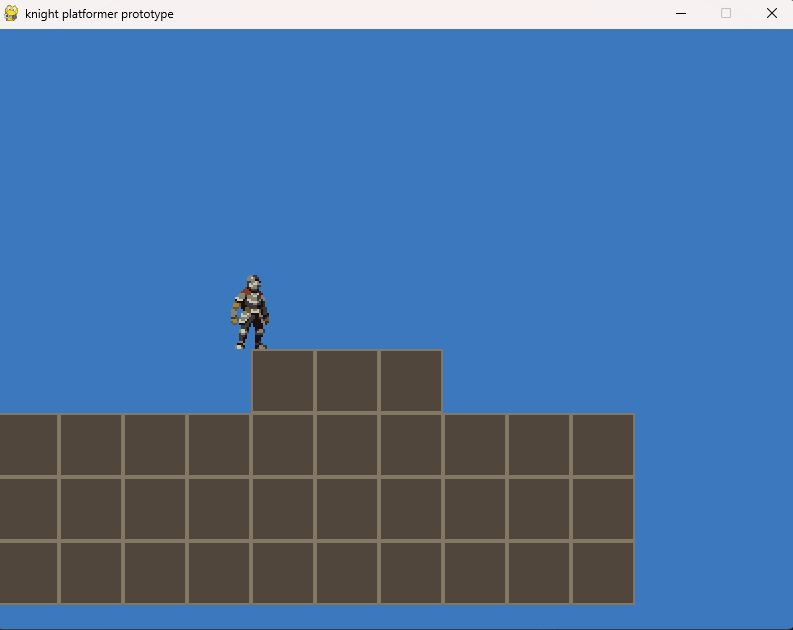
An eight-level platformer, built in Python and Pygame.
I built a modular game with movement physics, buffered controls, collision detection and saved personal bests. Its 2,000+ lines of code included a level system, asset caching and save files. By caching and reusing loaded assets, I cut level-loading time from 650 ms to 170 ms.
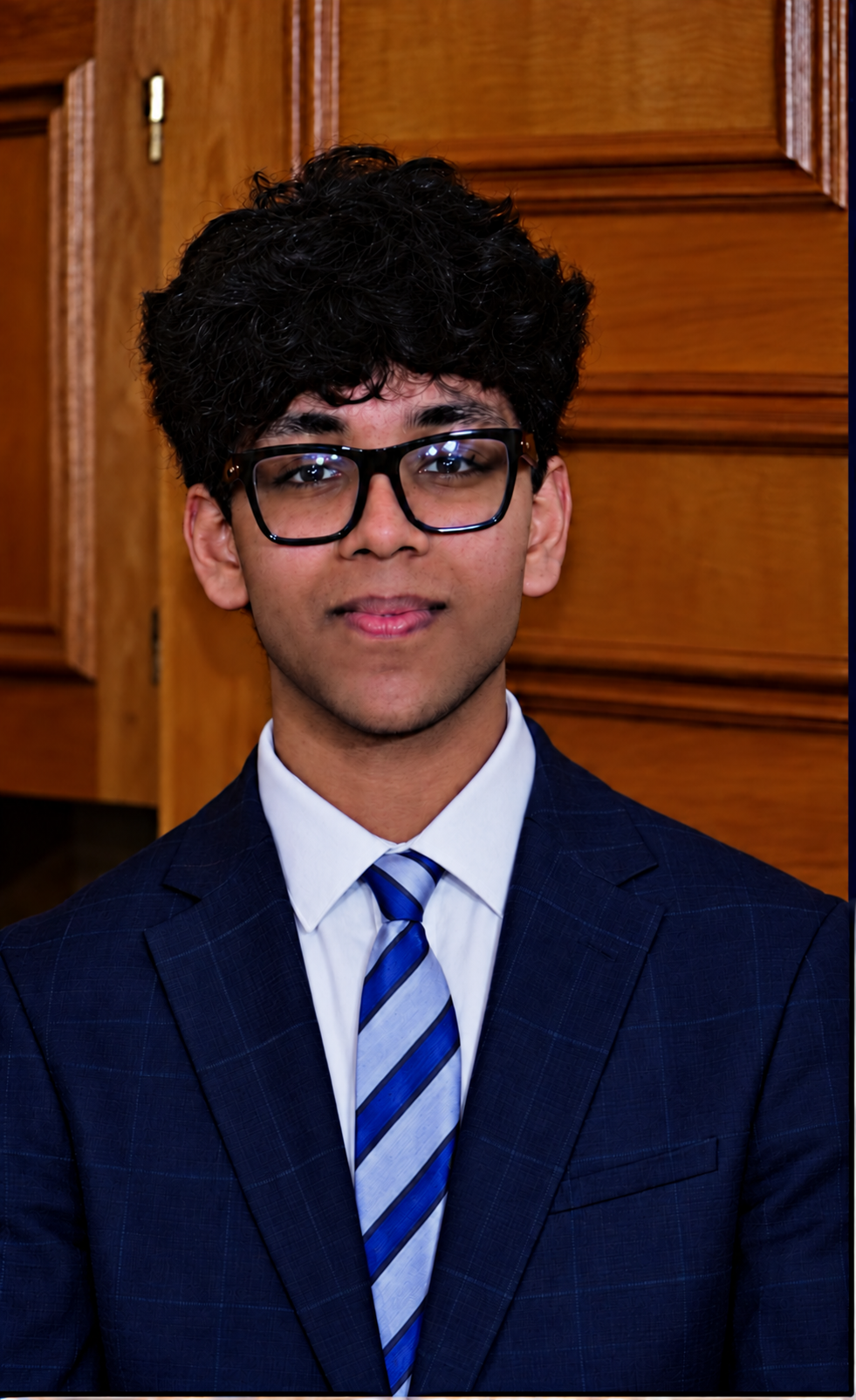
I’m studying Maths & Computer Science at UCL. I like the bit where an abstract idea becomes something you can actually click, play, or learn with.
Outside these projects, I lead technology at UCL Hedge Fund Society. I’ve also taught 20+ beginners how to build and evaluate models. Making things is fun. Helping someone else make their first thing is pretty great too.
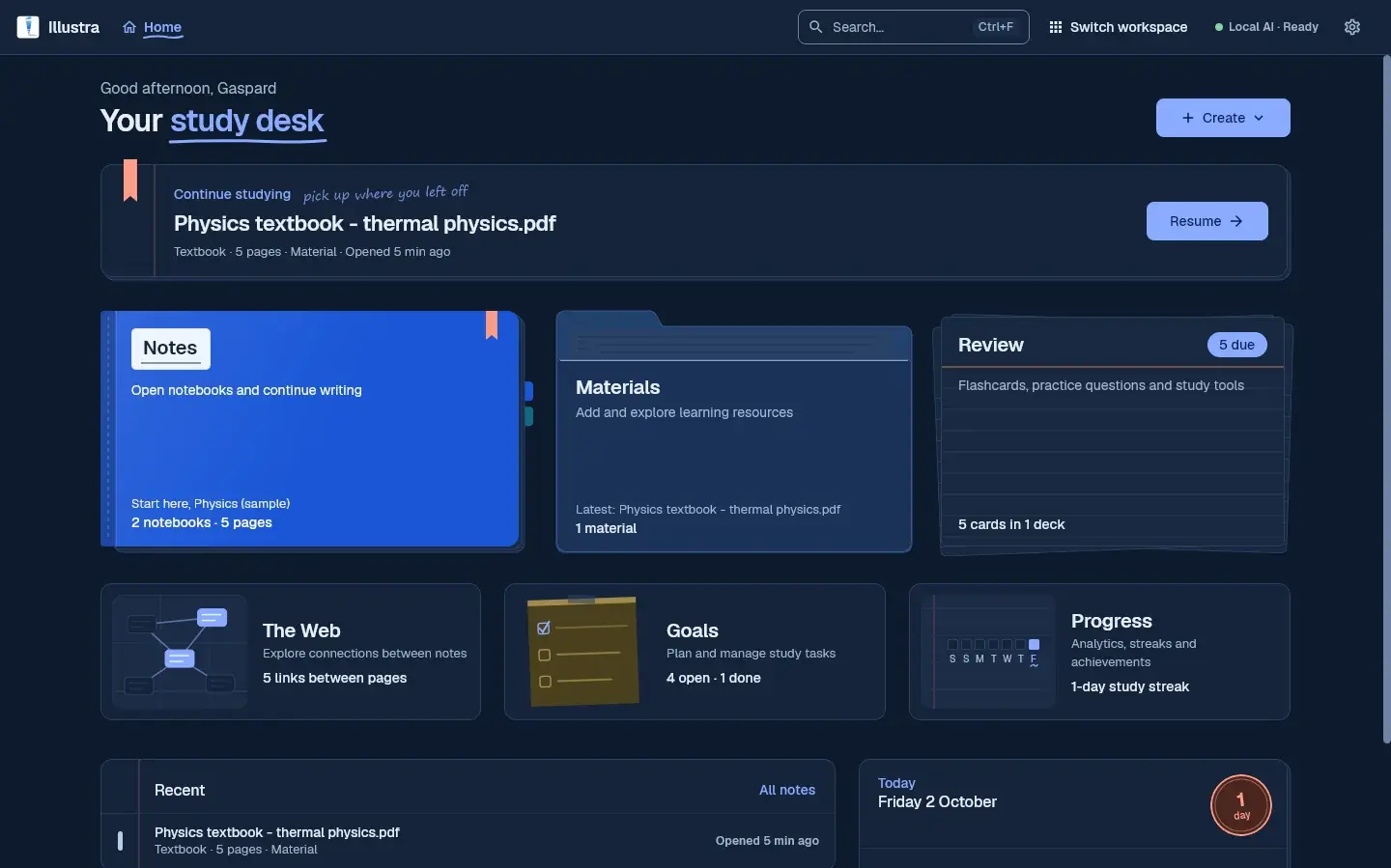 yes, this is the actual app ↑